
BUYING & SELECTION GUIDE
ZYN-TECH-COMP-2026
8 min read
Comparison of Advantages and Disadvantages of Home Charging Stations, Public Fast Charging Stations, and Portable Car Chargers
A comprehensive evaluation of capital costs, charging speeds, battery health, and daily convenience.
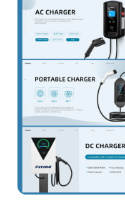
# Side-by-Side Architectural Comparison
Home AC wallboxes (7kW–22kW) are the most economical option for daily commuters, allowing overnight charging during off-peak electricity tariffs. Public DC chargers (50kW–360kW) serve highway corridors and busy commercial forecourts where drivers need an 80% charge in 15 to 25 minutes. Portable kits provide emergency peace of mind and flexibility for travelers who lack permanent dedicated chargers.
# Advantages & Disadvantages Breakdown
Home AC Wallbox
Lowest cost per kWh, preserves long-term battery cycle health, but requires private off-street parking and professional installation.
Public DC Fast Hubs
Blazing fast charging speed (100km in 5 minutes), convenient on long road trips, but higher price per kWh and higher thermal load on battery cells.
Portable Chargers
Zero fixed installation expense, plug into standard sockets anywhere in Europe, but slower replenishment speed (3.5kW–11kW).
Total Cost of Ownership
Combining a home ZynVolt 11kW wallbox for 90% of daily commuting with occasional high-power public DC charging yields maximum savings.
# How ZynVolt Bridges All Three Categories
ZynVolt manufactures certified hardware for all three segments—from smart residential wallboxes with dynamic load balancing, to mobile travel chargers, to high-power commercial DC pedestals.